

Breast Lift Without Implants: Who Is It Best For?
Breast Lift Without Implants: Who Is It Best For? Insights from a Board-Certified Plastic Surgeon
A Deep Plane Facelift vs Traditional Facelift both address facial ageing, but they work at different tissue depths. A traditional facelift tightens the skin and the SMAS layer, the fibrous tissue beneath it. A deep plane facelift goes further, releasing the deeper retaining ligaments of the face and repositioning the SMAS, fat, and deeper structures as a single unit. The result is a more complete correction of mid-face descent, jowls, and nasolabial folds, often with longer-lasting outcomes and less skin tension.
As a result, more people are researching the differences between a deep plane facelift vs traditional facelift before deciding on facial rejuvenation surgery. While both procedures are designed to address signs of ageing, they work differently and can produce different outcomes depending on a patient’s facial anatomy, skin quality, and aesthetic goals.
One of the most common concerns patients discuss with Dr. Adel Quttainah is whether facelift surgery can improve facial ageing without creating an artificial or overdone appearance. This is an important consideration because modern facial rejuvenation is no longer about tightening skin alone.
Knowing how these two facelift techniques stack up against each other can really help patients make an informed decision and figure out which approach suits them best.
Many people believe that facial ageing occurs simply because the skin becomes loose. In reality, the ageing process affects several layers of the face.
The face is made up of skin, fat, muscles, ligaments, connective tissues, and bone. As we age, changes occur in all of these structures.
The skin gradually loses collagen and elastin, making it less firm and resilient. Research suggests that collagen production decreases by approximately 1% each year after early adulthood. At the same time, facial fat pads begin to descend due to gravity and weakening support structures. Bone volume also changes over time, reducing the foundation that supports facial tissues.
These changes contribute to several visible signs of ageing, including:
Because these changes occur beneath the surface of the skin, successful facial rejuvenation often requires addressing the deeper structures of the face rather than focusing solely on skin tightening.
A traditional facelift is one of the most commonly performed facial rejuvenation procedures and has been used successfully for many years.
The procedure focuses on improving visible signs of ageing in the lower face and neck. During surgery, incisions are typically made around the ears and hairline. Skin is lifted with care, the deeper tissue layers are firmed up, surplus skin is trimmed away, and the rest is carefully repositioned to leave a smoother, more youthful appearance.
Modern traditional facelift techniques often include adjustment of the superficial musculoaponeurotic system (SMAS), which is a supportive tissue layer beneath the skin. When this layer is properly addressed, the results tend to be more durable and natural-looking than what skin tightening alone can deliver.
A traditional facelift may help improve:
For many patients, a traditional facelift remains an effective option that provides noticeable rejuvenation while maintaining a natural appearance.
A deep plane facelift is considered one of the most advanced facial rejuvenation procedures available today.
Unlike a traditional facelift, which primarily focuses on lifting skin and superficial tissues, a deep plane facelift works beneath the SMAS layer. During the procedure, the surgeon releases specific retaining ligaments and repositions deeper facial structures as a single unit.
This approach allows the cheeks, jawline, and lower face to be lifted more naturally because the deeper tissues responsible for facial ageing are repositioned rather than simply tightened.
A deep plane facelift can effectively address:
Many surgeons consider this procedure one of the leading modern facelift techniques because it focuses on restoring the underlying anatomy rather than relying heavily on skin tension.

When comparing a Deep Plane Facelift vs Traditional Facelift, both procedures aim to rejuvenate the face, but there are important differences between them. The primary distinction is the depth at which the surgeon works.
A traditional facelift focuses on tightening the skin and superficial support structures, while a deep plane facelift releases and repositions the deeper facial tissues and retaining ligaments beneath the surface. This deeper approach can create smoother, more natural-looking facial rejuvenation while preserving facial expression.
|
Feature |
Traditional Facelift |
Deep Plane Facelift |
|
Primary focus |
Skin and superficial tissues |
Deeper facial structures |
|
Mid-face correction |
Moderate |
Significant |
|
Improvement in smile lines |
Moderate |
Often greater |
|
Skin tension required |
More |
Less |
|
Facial movement preservation |
Good |
Excellent |
|
Natural appearance |
Very good |
Often enhanced |
|
Longevity of results |
Long-lasting |
Often longer-lasting |
|
Surgical complexity |
Moderate |
Advanced |
The answer lies in the way the procedure addresses facial ageing.
As we age, facial tissues descend due to gravity and weakening support structures. The cheeks lose volume, folds deepen, and the jawline becomes less defined. A traditional facelift can improve these concerns, but a deep plane facelift goes further by repositioning the deeper tissues responsible for these changes.
Because the deeper structures are lifted together, less tension is placed on the skin. This often results in:
In fact, the best facelift outcomes are often the least obvious. Friends and family may notice that a patient looks healthier, younger, or more refreshed without immediately recognising that surgery has been performed.
Many patients ask whether a deep plane facelift is better than a traditional facelift. The truth is that there is no single answer that applies to everyone.
A deep plane facelift may offer advantages for patients with moderate to advanced facial ageing, significant cheek descent, or deep nasolabial folds. However, a traditional facelift may be entirely appropriate for patients with milder ageing concerns or those whose primary issue is loose skin.
The best procedure depends on several factors, including:
This is why a personalised consultation with Dr. Adel Quttainah is essential before deciding on any surgical approach.
Facelift surgery has advanced considerably over the past few decades.
Today’s procedures focus on restoring youthful anatomy rather than simply tightening skin. These modern facelift techniques offer several benefits, including:
These advancements in advanced facial surgery allow surgeons to achieve subtle and sophisticated results that look authentic rather than overdone
Recovery varies from person to person, but most patients follow a similar healing timeline.
Patients typically experience:
Most patients notice:
Healing continues as:
Many patients feel comfortable attending social events within two to three weeks, although complete healing takes several months.
Like all surgical procedures, facelift surgery carries potential risks.
Possible complications include:
Choosing an experienced surgeon and carefully following post-operative instructions can help minimise these risks.
A traditional facelift tends to suit patients in their mid-40s to early 60s with mild-to-moderate jowling, loose lower-face skin, and good skin elasticity. Patients with early neck laxity but well-preserved cheek volume often achieve excellent results with this approach.
A deep plane facelift is generally more appropriate for patients with mid-face descent, significant nasolabial folds, more pronounced jowling, or previous facelift surgery where a deeper correction is needed.
Choosing between a Deep Plane Facelift vs Traditional Facelift depends on each patient’s unique anatomy, ageing concerns and aesthetic goals. During your consultation, Dr. Adel Quttainah carefully evaluates facial anatomy, skin quality, the degree of ageing and your desired outcomes.
Some patients may achieve excellent results with a traditional facelift, while others may benefit more from the deeper correction provided by a deep plane facelift. The goal is always to recommend the procedure that will provide the safest, most natural-looking and most balanced result for the individual patient.
Breast Lift Without Implants: Who Is It Best For? Insights from a Board-Certified Plastic Surgeon

7 Questions to Ask Before Choosing a Plastic Surgeon Expert Insights from a Plastic Surgeon

Open vs Closed Rhinoplasty: Which Technique Is Right for You? Expert Insights from a Plastic
When comparing a deep plane facelift vs traditional facelift, both procedures can deliver excellent facial rejuvenation when performed on the right candidate.
A traditional facelift is still very much an effective solution for many individuals with mild to moderate facial aging, tackling jowls, firming up loose skin, and restoring definition to the lower face and necklift area.
A deep plane facelift, however, offers additional advantages for patients with more advanced ageing changes because it addresses the deeper structures responsible for facial sagging. This is one reason many surgeons believe it can produce especially natural facelift results and a more natural looking facelift in suitable candidates.
Ultimately, the best facelift is not necessarily the newest or most advanced procedure. It is the procedure that best matches a patient’s facial anatomy, ageing pattern, and aesthetic goals.
If you are considering facelift surgery, a consultation with Dr. Adel Quttainah can help determine which approach is most appropriate for achieving a refreshed, youthful, and natural-looking appearance
In a lot of cases, yes. Since the focus is on repositioning deeper tissues rather than just tightening the skin, results can hold up for considerably longer.
Most patients report similar levels of discomfort with both procedures. Any discomfort is usually manageable with prescribed medication.
Modern facelift techniques are designed to avoid an overly tight appearance. The goal is natural rejuvenation rather than obvious change.
Many patients return to social activities within two to three weeks, although final healing and refinement continue for several months.
There’s no set age requirement for a facelift, it really depends on how much facial aging has taken place, skin quality, and what the individual is looking to get out of it.
The main difference between a Deep Plane Facelift vs Traditional Facelift is the depth of tissue repositioning and the type of results achieved. A traditional facelift primarily tightens the skin and underlying SMAS layer, while a deep plane facelift releases deeper facial ligaments and repositions the facial tissues as one unit. This approach can provide more natural-looking, longer-lasting rejuvenation with less tension on the skin.
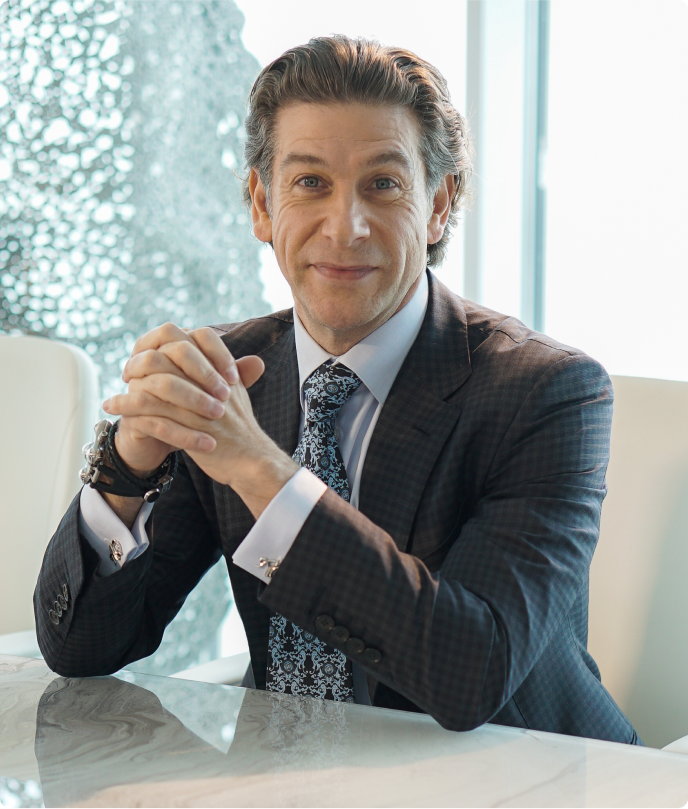
Dr. Adel Quttanah is an exceptionally qualified Western-trained plastic and reconstructive surgeon specializing in complex facial rejuvenation, advanced breast aesthetics and whole body contouring procedures. After graduating from specialized surgical training at leading medical centers in Canada, he moved his broad clinical knowledge to the patients in the Middle East.
Dr. Adel Quttanah is a leading expert in advanced cosmetic and reconstructive surgery and is known for his structural, anatomic approach to the face. He was one of the first in the area to create total integrated aesthetic setups that maintain absolute facial harmony while delivering long-term, natural, and beautiful looks to more complex facial rejuvenation treatments like deep plane facelifts.
This article is for informational purposes only and is not a substitute for professional medical advice, diagnosis, or treatment. Always seek the advice of a qualified health provider with any questions you may have regarding a medical condition. Medically reviewed by Dr. Adel Quttainah