

Breast Lift Without Implants: Who Is It Best For?
Breast Lift Without Implants: Who Is It Best For? Insights from a Board-Certified Plastic Surgeon
Mommy makeover recovery typically takes 6 to 8 weeks for the initial healing phase, with most patients returning to light daily activities within 2 to 3 weeks and resuming full physical activity by 6 to 8 weeks. Because a mommy makeover combines multiple procedures — commonly a tummy tuck, breast lift, and liposuction — recovery is longer than any single procedure alone. Final results, including full resolution of swelling and scar maturation, continue improving for up to 12 months after surgery.
One of the most common questions patients ask before surgery is: What is the recovery time for mommy makeover surgery?
Understanding the mommy makeover recovery timeline: What to expect after surgery can help patients prepare for each stage of healing with greater confidence and realistic expectations.
Every mommy makeover recovery timeline journey is slightly different because each surgical plan is tailored to the patient’s body, goals, and combination of procedures. Even so, most women go through similar healing phases during the weeks after surgery. With proper aftercare, patience, and support from the experienced surgeon Dr. Adel Quttainah, the recovery process often becomes far more comfortable and easier to manage.
A mommy makeover is not a single procedure. It is a combination of surgeries performed together to address multiple areas of the body after pregnancy or significant weight changes.
Depending on individual goals, a mommy makeover may include:
Because multiple procedures are combined in one operation, mommy makeover surgery recovery requires careful planning and adequate rest.
One of the biggest concerns patients have is how long mommy makeover recovery timeline takes. Mostly, the initial recovery phase lasts about two to three weeks, while full recovery may take approximately six weeks or longer, depending on the procedures performed. Residual swelling can continue improving over several months.
Several factors influence recovery time, including:
Factor | Impact on Recovery |
Number of procedures performed | More procedures usually require longer healing |
Overall health | Healthy patients often recover more smoothly |
Smoking habits | Smoking may delay wound healing |
Surgical technique | Advanced techniques may reduce tissue trauma |
Following aftercare instructions | Proper care helps minimise complications |
Patients should remember that recovery is gradual. The body needs time to heal internally as well as externally.
The first couple of days are usually the most uncomfortable part of recovery. Patients often experience:
Compression garments are commonly used after surgery to support the healing tissues and help control swelling. Some patients may also need temporary surgical drains for a short period after the procedure. During this stage, having support at home can make daily activities easier, especially when caring for children or managing household tasks.
Patients are usually encouraged to take short, slow walks around the house to maintain healthy blood circulation and lower the chance of blood clot formation.

Recovery Stage | What Most Patients Experience |
Week 1 | Swelling, bruising, soreness, limited movement |
Week 2 | Reduced discomfort, better mobility, less swelling |
Week 3 | Return to light work for some patients |
Week 4 | Improved energy and confidence |
Week 5-6 | Gradual return to regular routines |
3–12 Months | Final results continue settling |
During the first week, rest becomes the priority. Patients are usually advised to avoid:
Many patients sleep in a slightly elevated position, particularly after tummy tuck surgery. It is common to feel emotional ups and downs during this period because the body is still adjusting after surgery.
Pain medication prescribed by the surgeon helps control discomfort during early recovery.
By the second week, most patients start feeling a little more comfortable moving around. Swelling usually begins to settle, walking feels less difficult, and the soreness slowly becomes easier to manage.
Patients who underwent breast procedures may notice reduced tightness in the chest area. Although energy levels improve, the body is still healing internally, so overexertion should still be avoided.
This stage often feels more encouraging because patients begin seeing early contour improvements.
Most patients can:
However, some abdominal swelling may still be present during this stage, particularly for patients who have undergone a tummy tuck procedure.
Gentle walking is usually recommended to support circulation, while heavy exercise and demanding physical activity should still be avoided.
By weeks five and six, many patients start easing back into their usual day-to-day activities. Energy levels often feel much better by this point, and most of the earlier discomfort has settled significantly.
Although the majority of swelling improves during this stage, subtle swelling may continue for several months before final results become fully visible.
Scars also continue fading gradually over time.
Preparing well before surgery can make the recovery period far more manageable and comfortable. Small practical arrangements often make a big difference once you return home after the procedure.
Recovery is not only physical. Many patients find that having emotional support from family or close friends helps them feel calmer and more comfortable during the healing period.
The timeline for returning to exercise depends on the procedures performed and how your body heals after surgery.
In most cases:
Getting back to exercise too early can worsen swelling, increase discomfort, and put extra pressure on tissues that are still recovering. Allowing your body enough time to heal and carefully following your surgeon’s aftercare advice can help support a safer and more comfortable recovery.
Some swelling, bruising, and soreness are expected after surgery. However, certain symptoms should never be ignored.
Contact your surgeon if you notice:
Speaking to your surgeon early can help address problems quickly and support a smoother recovery process.
Many patients considering body contouring and aesthetic surgery choose Dr. Adel Quttainah for his refined surgical style, careful attention to detail, and commitment to results that look elegant and natural rather than overdone.
At Quttainah Medical Group, treatment plans are designed with close attention to patient safety, comfort, and natural-looking outcomes. The aim is to enhance confidence while preserving the features that make each patient unique.
Breast Lift Without Implants: Who Is It Best For? Insights from a Board-Certified Plastic Surgeon

7 Questions to Ask Before Choosing a Plastic Surgeon Expert Insights from a Plastic Surgeon

Open vs Closed Rhinoplasty: Which Technique Is Right for You? Expert Insights from a Plastic
A mommy makeover can create significant physical changes and help many women feel more comfortable in their bodies again. At the same time, recovery is a gradual process that requires patience, proper care, and time for the body to heal fully.
Understanding the mommy makeover recovery timeline beforehand can make the journey feel less overwhelming. It helps patients prepare for each stage of healing, set realistic expectations, and approach recovery with greater confidence and peace of mind.
Choosing a skilled and experienced Cosmetic surgeon is an important part of achieving safe surgery and natural-looking results. If you are considering a mommy makeover and want expert guidance tailored to your goals, consult Dr. Adel Quttainah at Quttainah Medical Group for a detailed assessment and a personalised recovery plan designed around your needs.
Most patients need around six weeks for the main recovery period, although complete healing and final results may continue improving for several months.
Patients can expect soreness, swelling, and tightness during the first couple of weeks. Pain is usually manageable with prescribed medication and proper aftercare.
Many patients return to desk-based work within two to three weeks. Jobs involving physical activity may require longer recovery time.
Heavy lifting is usually restricted for several weeks to protect healing tissues and abdominal muscles.
Yes. Most swelling improves within the first few months, but subtle swelling can continue settling for up to a year.
Sleeping positions may temporarily change after surgery, especially after tummy tuck or breast procedures. Your surgeon will provide specific guidance.
Scars are expected after surgery, but they generally fade gradually over time. Proper scar care can improve their appearance.
When done by a qualified and experienced plastic surgeon on suitable candidates, a mommy makeover is generally considered safe. Careful planning and proper recovery are essential.
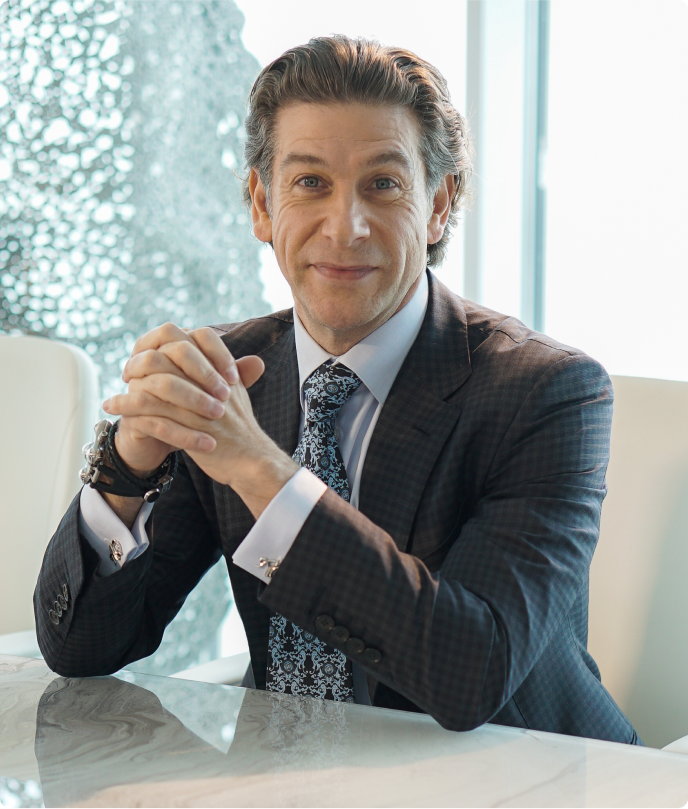
Dr. Adel Quttanah is an exceptionally qualified Western-trained plastic and reconstructive surgeon specializing in complex facial rejuvenation, advanced breast aesthetics and whole body contouring procedures. After graduating from specialized surgical training at leading medical centers in Canada, he moved his broad clinical knowledge to the patients in the Middle East.
Dr. Adel Quttanah is a leading expert in advanced cosmetic and reconstructive surgery and is known for his structural, anatomic approach to the face. He was one of the first in the area to create total integrated aesthetic setups that maintain absolute facial harmony while delivering long-term, natural, and beautiful looks to more complex facial rejuvenation treatments like deep plane facelifts.
This article is for informational purposes only and is not a substitute for professional medical advice, diagnosis, or treatment. Always seek the advice of a qualified health provider with any questions you may have regarding a medical condition. Medically reviewed by Dr. Adel Quttainah