
Gynecomastia treatment in Dubai is a cosmetic procedure that removes enlarged male breast tissue to create a flatter, firmer and more masculine chest. Depending on the underlying cause, treatment may include gland excision, liposuction or a combination of both to achieve natural-looking chest contours.
Gynecomastia is a common condition where men develop enlarged breast tissue due to hormonal changes or other factors. While it isn’t harmful, it can affect confidence, comfort, and appearance.
Modern surgical techniques offer safe and effective solutions for restoring a masculine chest contour.
At Quttainah Specialized Hospital, Dr. Adel Quttainah, renowned as the best gynecomastia surgeon in Dubai, offers advanced, customized surgical solutions. With his expertise in precision contouring and natural aesthetics, patients can expect safe, discreet, and life-changing results.
What Is Gynecomastia in Dubai?
Gynecomastia is a benign, non-malignant proliferation of glandular breast tissue in males, typically resulting from an imbalance between estrogen and androgen activity.
It can affect one or both sides; the tissue often feels rubbery or firm. This is distinct from “pseudogynecomastia,” which is fullness caused primarily by excess fat. Understanding the difference matters because glandular tissue doesn’t respond to diet and exercise alone.
Common Patterns
The clinical grades are as follows:
- Grade I: Small, localized tissue (often behind the areola) with a flat chest contour overall.
- Grade II: Moderate enlargement extending beyond the areola.
- Grade III: More pronounced enlargement with early skin redundancy.
- Grade IV: Marked enlargement with skin excess and “feminized” breast shape.
What Causes Gynecomastia?
Typical symptoms: visible chest fullness, nipple-areola prominence, and tenderness or sensitivity.
Root causes: puberty-related shifts, medications (e.g., certain anti-androgens, anabolic steroids, some cardiac and anti-anxiety drugs), genetics, weight fluctuations, and rarely endocrine disorders.
Many adolescent cases resolve independently; persistent or distressing cases may benefit from surgical treatment.
When Is Gynecomastia Surgery Recommended?
You might be a candidate if:
- The breast mound has persisted for 12–24 months without improvement.
- You have a stable weight and overall good health.
- The condition affects confidence, clothing choices, posture, or exercise performance.
- You seek a permanent, natural-looking chest contour.
Treatment Options for Gynecomastia
Dr. Adel Quttainah offers a comprehensive, grade-based approach to ensure a masculine, balanced result:
- High-Definition Liposuction (PAL/VASER-assisted when indicated)
- Ideal for adipose-dominant cases or to smooth transitions after gland removal. Helps define the pectoral border.
- Direct Gland Excision (Peri-areolar Incision)
- Removes dense glandular tissue that is not responsive to liposuction. Incisions are placed along the areolar border to camouflage scars.
- Combined Excision + Liposuction
- It commonly addresses both glands and fat for a flat, even contour.
- Skin Tightening & Advanced Techniques (for higher grades)
- For Grades III–IV, options may include limited skin excision or staged contouring. In select severe cases, free nipple grafting may be discussed to restore ideal nipple position and shape.
Anesthesia & Setting: This is usually a day procedure under local anesthesia with sedation or general anesthesia, depending on the extent.
Gynecomastia vs Pseudogynecomastia: What's the Difference?
Although both conditions can cause an enlarged male chest, gynecomastia and pseudogynecomastia have different causes and often require different treatments. Understanding the distinction is essential when considering Gynecomastia in Dubai, as the most effective treatment depends on whether the enlargement is caused by glandular tissue, excess fat or a combination of both.
| Gynecomastia | Pseudogynecomastia |
|---|---|
| Caused by enlargement of glandular breast tissue. | Caused primarily by excess fat accumulation in the chest. |
| Often linked to hormonal changes, medications or certain medical conditions. | Commonly associated with weight gain or obesity. |
| The chest usually feels firm or rubbery beneath the nipple. | The chest feels softer due to fatty tissue. |
| Exercise and weight loss alone may not eliminate the enlarged gland. | Weight loss may improve the appearance if excess fat is the main cause. |
| Treatment may involve gland excision, liposuction or a combination of both. | Liposuction alone may be sufficient if gland enlargement is absent. |
During your consultation, Dr. Adel Quttainah performs a thorough clinical assessment to determine whether your enlarged chest is caused by true gynecomastia, excess fat or both. This allows him to recommend the most appropriate treatment plan for achieving a flatter, firmer and more masculine chest contour.
Gynecomastia Recovery Timeline
- Week 1: Compression vest worn continuously; most desk work resumes in ~3–5 days.
- Weeks 2–3: Bruising and swelling subside; light activity returns.
- Weeks 4–6: Gradual return to training; avoid chest-heavy workouts until cleared.
- Months 3–6: Final definition emerges as swelling resolves and tissues settle.
Dr. Quttainah’s team provides meticulous scar care, garment guidance, and follow-ups to optimize symmetry and definition.
Safety & Potential Risks
Gynecomastia in Dubai is considered safe when performed by an experienced surgeon. However, as with any surgical procedure, some risks may occur, including contour irregularities, tissue under- or over-correction, changes in nipple sensitivity, delayed healing, and scarring in advanced cases.
A thorough evaluation, precise surgical technique, and attentive aftercare significantly reduce these risks.
Gynecomastia Surgery Cost in Dubai
If you’re comparing gynecomastia surgery cost in Dubai, remember pricing reflects your anatomy and plan:
- Clinical grade and whether skin excision is needed
- Technique (liposuction, gland excision, or combined)
- Anesthesia type and operative time
- Facility, compression garments, and follow-up care
You will receive a transparent, personalized quotation after consultation and examination.
Can Gynecomastia Go Away Without Surgery?
Gynecomastia can sometimes improve without surgery, but this depends on the underlying cause and how long the condition has been present. In many adult men, persistent enlargement of glandular breast tissue does not resolve on its own and surgery may be the most effective treatment.
Gynecomastia may improve naturally when:
- It develops during puberty and hormone levels return to normal.
- It is caused by certain medications that can be safely discontinued under medical supervision.
- Hormonal imbalances or underlying medical conditions are successfully treated.
- Excess body fat contributes to the appearance of an enlarged chest (pseudogynecomastia).
However, surgery may be recommended if:
- Breast enlargement has persisted for more than 12–24 months.
- There is firm glandular tissue beneath the nipple.
- Weight loss and exercise have not improved the chest contour.
- You experience pain, tenderness or psychological distress.
- You want a flatter, more masculine chest with long-lasting results.
Gynecomastia Surgery in Dubai removes excess glandular tissue, fat and, when necessary, loose skin to create a more defined chest contour. During your consultation, Dr. Adel Quttainah will identify the cause of your condition and recommend whether surgery or another treatment option is most appropriate.
Choosing the Best Gynecomastia Surgeon in Dubai
Refined, confident chest contouring by a surgeon known for precision, natural aesthetics, and patient-first care.
- Artistry + Precision: Elegant, masculine contours with careful attention to symmetry and scar placement.
- Tailored Plans: Grade-based, anatomy-specific protocols for reliable, natural outcomes.
- Advanced Technology: High-definition liposuction and modern energy-assisted tools when indicated.
- Discretion & Comfort: Private pathway from consultation through recovery.
- Reputation for Excellence: Many patients consider him among the best gynecomastia surgeon in Dubai for refined and predictable results.
Achieve A Confident, Masculine Chest With Dr. Adel Quttainah
Book your appointment and experience expert male chest reduction tailored to your anatomy—subtle, symmetrical, and sculpted.
With a nuanced, grade-specific approach, advanced techniques, and a refined aesthetic, Dr. Adel Quttainah—widely recognized as the best gynecomastia surgeon in Dubai—delivers chest contouring results that look like you, only more confident.
If you’re exploring options or comparing the gynecomastia surgery cost in Dubai, get a consultation to receive a precise plan and a transparent quote tailored to your goals.
Book your appointment and experience expert male chest reduction tailored to your anatomy—subtle, symmetrical, and sculpted.
FAQs
What is Gynecomastia in Dubai?
Gynecomastia in Dubai refers to the enlargement of male breast tissue caused by excess glandular tissue, fat or both. The condition may affect one or both sides of the chest and can be treated with personalised surgical techniques to restore a flatter, more masculine appearance.
Can gynecomastia go away naturally?
Yes, some cases of gynecomastia particularly during puberty may resolve naturally as hormone levels stabilise. However, persistent glandular enlargement in adults is less likely to disappear without treatment and may require surgery.
Who is a good candidate for Gynecomastia Surgery?
A good candidate is a man with persistent enlarged breast tissue that has not improved with weight loss or medical treatment. Candidates should be in good overall health, maintain a stable weight and have realistic expectations about the results of surgery.
Will gynecomastia surgery remove puffy nipples?
Yes. If puffy nipples are caused by enlarged glandular tissue, gynecomastia surgery can remove the excess tissue and create a flatter, more natural-looking chest. Results vary depending on your anatomy and surgical plan.
How long does gynecomastia surgery take?
Gynecomastia surgery usually takes between one and three hours, depending on the amount of glandular tissue, fat removal and whether liposuction is combined with gland excision. Most patients return home on the same day.
Is gynecomastia surgery painful?
Most patients experience mild to moderate discomfort, swelling and tightness after surgery, which can usually be managed with prescribed medication. Symptoms gradually improve during the first few weeks of recovery.
Are gynecomastia surgery results permanent?
Yes. The results are generally permanent when a stable weight is maintained and the underlying cause has been addressed. Healthy lifestyle habits help preserve your long-term outcome.
How much does Gynecomastia Surgery in Dubai cost?
The Gynecomastia Surgery cost in Dubai varies depending on the severity of the condition, the surgical technique used, hospital fees and your personalised treatment plan. Following your consultation, Dr. Adel Quttainah will provide a tailored quotation based on your individual needs.
About the author
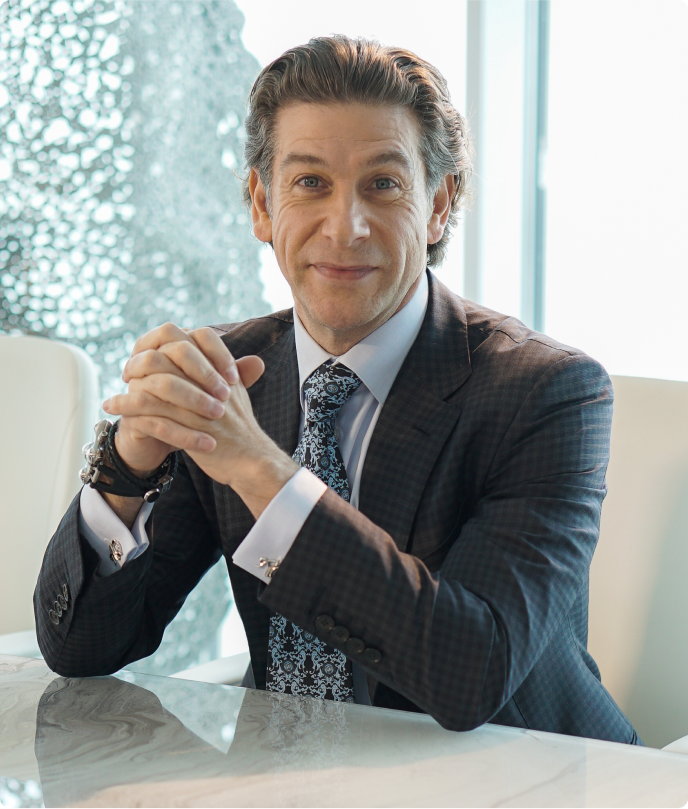
Dr. Adel Quttainah
- Board-Certified Plastic & Reconstructive Surgeon
- Founder of Quttainah Medical Center (QMC)
- 20+ Years of Private Clinical and Surgical Experience
- International Facial Plastic & Body Contouring Expert
Dr. Adel Quttanah is an exceptionally qualified Western-trained plastic and reconstructive surgeon specializing in complex facial rejuvenation, advanced breast aesthetics and whole body contouring procedures. After graduating from specialized surgical training at leading medical centers in Canada, he moved his broad clinical knowledge to the patients in the Middle East.
Dr. Adel Quttanah is a leading expert in advanced cosmetic and reconstructive surgery and is known for his structural, anatomic approach to the face. He was one of the first in the area to create total integrated aesthetic setups that maintain absolute facial harmony while delivering long-term, natural, and beautiful looks to more complex facial rejuvenation treatments like deep plane facelifts.
Medical Disclaimer
This article is for informational purposes only and is not a substitute for professional medical advice, diagnosis, or treatment. Always seek the advice of a qualified health provider with any questions you may have regarding a medical condition. Medically reviewed by Dr. Adel Quttainah