
Loose abdominal skin can remain even after significant weight loss, pregnancy, or consistent exercise. For some patients, the concern is not simply excess fat but stretched skin, abdominal laxity, or separated muscles that do not improve with lifestyle changes.
Tummy Tuck in Dubai is a surgical body-contouring procedure designed to remove excess abdominal skin and, when appropriate, tighten weakened or separated abdominal muscles. Dr. Adel Quttainah offers tummy tuck surgery as part of his body-contouring procedures, with treatment planning based on each patient’s anatomy, skin quality, muscle condition, and goals. Tummy tuck is one of several options within Dr. Adel’s Body Contouring Treatment in Dubai.
Abdominoplasty in Dubai is most often sought after pregnancy, significant weight loss, ageing or inherited skin laxity, when diet and exercise can no longer tighten the abdomen.

A tummy tuck, or abdominoplasty, removes excess skin and, when needed, some excess fat from the abdomen. The underlying abdominal wall may also be tightened to address muscle separation or laxity.
This can be particularly relevant after pregnancy or significant weight loss, when the abdominal tissues may remain stretched despite reaching a stable weight. Unlike liposuction, which primarily removes localized fat, a tummy tuck addresses skin laxity and abdominal contour and may repair separated abdominal muscles.
Separated muscles, a condition known as diastasis recti, are usually drawn together with a permanent stitch that works like an internal corset, helping create a flatter and firmer core. This is why tummy tuck surgery restructures the abdominal area rather than simply removing skin.
Pregnancy can also change breast shape, which a breast lift surgeon in Dubai can address.
A tummy tuck may be considered for adults who:
If you are one who is looking for significant weight loss or another pregnancy, discussing the timing with your surgeon is important, as these changes can affect the long-term contour.
After major weight loss, loose upper-arm skin can be treated with an Arm Lift in Dubai.

The appropriate technique depends on the amount and location of excess skin and the condition of the abdominal wall.
Usually addresses milder laxity below the belly button and generally involves a shorter incision. The belly button is usually left in place, and muscle tightening is limited to the lower abdomen.
Addresses more extensive skin and muscle laxity across the abdomen. The belly button may need to be repositioned. A low hip-to-hip incision is used, making it the most common choice after pregnancy or significant laxity.
Extends the treatment toward the flanks and may be considered when excess tissue continues around the sides. The incision wraps around the hips to treat the love-handle area, with a longer scar.
Uses both horizontal and vertical incisions and may be considered after substantial weight loss when there is significant tissue excess in multiple directions. It leaves an anchor-shaped scar.
Extends around the lower torso and may be considered when there is substantial laxity involving the abdomen, flanks and back. Also called a lower body lift, with the scar placed on the lower abdomen and lower back.
Addresses laxity above the belly button only, with the incision hidden in the fold under the breasts. It is considered in select cases or combined with breast procedures.
The choice is made after a physical assessment rather than simply by preference. Dr. Adel Quttainah assesses skin quality, fat distribution and muscle condition before recommending the most suitable approach to abdominoplasty in Dubai. Extensive lower-body laxity may also call for a Thigh Lift in Dubai.
During tummy tuck surgery, the surgeon generally:
Small drains may sometimes be used to remove excess fluid during early healing. The exact surgical plan varies according to the patient’s anatomy and the extent of correction required.
The procedure is performed under general anaesthesia. When done alone, it is often a day-case operation, so patients may go home the same day. Combining it with other procedures may require an overnight stay.
Tummy tuck surgery can also be combined with liposuction to sculpt the flanks and waistline, or with other body-contouring procedures such as a 360 body lift. When combined with breast surgery, it is known as a mommy makeover. See how a tummy tuck fits into Mommy Makeover Surgery in Dubai.

These procedures address different concerns:
| Tummy Tuck | Liposuction |
|---|---|
| Removes excess loose skin | Removes localized fat |
| May tighten abdominal muscles | Does not repair separated muscles |
| Addresses skin laxity | Primarily addresses fat deposits |
| Requires a larger surgical incision | Uses smaller access points |
| Usually involves a longer recovery | Recovery is generally shorter |
In selected patients, both procedures may be considered as part of an individualized body-contouring plan.

Recovery varies depending on the extent of surgery and whether other procedures are performed. Swelling, bruising, tightness and soreness are common initially.
| Recovery stage | What you may expect |
|---|---|
| First few days | Rest, swelling, tightness and discomfort |
| Early weeks | Gradual increase in light activity and walking |
| Following weeks | Gradual return to normal activities as advised |
| Longer term | Swelling continues to settle, and scars mature |
| First week | Rest is essential. Many patients walk with a slight bend at the hips to avoid straining the incision, and compression garments help reduce swelling and support the new contour |
| Weeks 2–4 | Many patients return to light, non-strenuous work and most daily activities while swelling continues to subside |
| Months 3–6 | Refined contours begin to show |
| Up to 12–18 months | Scars gradually fade and flatten, though they do not disappear completely |
Light walking is generally encouraged early to support circulation, while heavy lifting and strenuous exercise need to be avoided until your surgeon advises that they are appropriate. For a stage-by-stage guide, read Mommy Makeover Recovery Timeline.
The tummy tuck cost Dubai patients are quoted can vary considerably because there is no single procedure that suits everyone. Factors may include:
An individual assessment is needed to determine the appropriate surgical approach and provide an accurate estimate.
Tummy tuck cost Dubai patients research online is often shown as a single figure, but a reliable estimate can only be given after an examination of skin, fat and muscle laxity. When you receive a quote, ask what it includes, such as the surgeon’s fee, anaesthesia, hospital charges, compression garments and follow-up visits, so that you can compare like with like.
A tummy tuck is major surgery and, like any surgical procedure, carries potential risks. These may include bleeding, infection, blood clots, anesthesia-related complications, fluid accumulation, delayed wound healing, changes in sensation and unfavorable or noticeable scarring.
Temporary numbness, tightness and swelling can occur during recovery. Some patients may require additional treatment for complications or, in some circumstances, revision surgery.
Abdominoplasty in Dubai may help remove excess abdominal skin, improve abdominal contour and address selected cases of muscle separation. It can be particularly useful when loose tissue remains despite a stable weight and healthy lifestyle.
However, it does not replace weight management, and it cannot stop future changes caused by pregnancy, significant weight fluctuations or natural aging. Results vary between patients.
Tightening the abdominal wall and removing excess skin can also improve core support and help clothes fit more comfortably.
Dr. Adel Quttainah’s official profile identifies him as a board-certified plastic and reconstructive surgeon and founder of Quttainah Medical Center. His website states that he has more than 20 years of private clinical and surgical experience and provides body-contouring procedures including tummy tuck surgery. His approach emphasizes individualized planning according to anatomy, skin quality, muscle tone and the patient’s aesthetic goals.
For tummy tuck in Dubai, consultation is an important part of deciding whether abdominoplasty, liposuction, or a combination approach is appropriate for your abdominal concerns.
Dr. Adel Quttainah’s philosophy combines surgical precision with an artistic eye, aiming for a harmonious contour that suits your proportions rather than simply flattening the stomach. It is the approach he brings to every tummy tuck in Dubai case.
If loose abdominal skin or changes after pregnancy or weight loss are affecting your confidence or comfort, schedule a consultation with Dr. Adel Quttainah to discuss your anatomy, suitable treatment options, recovery and expected outcomes.
Book a consultation to find out whether a mini, full or extended approach to abdominoplasty in Dubai is right for you, and to receive a personalised plan and cost estimate for your tummy tuck in Dubai.
No. A tummy tuck is a body-contouring procedure rather than a weight-loss operation. It removes excess skin and may tighten abdominal muscles. Patients are generally advised to reach a stable, maintainable weight before surgery.
A tummy tuck mainly addresses excess skin and abdominal laxity, while liposuction removes localized fat deposits. Depending on your anatomy, both procedures may sometimes be combined.
Yes. Because excess skin is removed through a surgical incision, a scar is expected. Its length depends on the technique and amount of tissue being removed. The scar usually changes and becomes less noticeable as it matures, although it does not completely disappear.
The procedure is performed under anesthesia, so pain is not expected during surgery. Afterward, temporary soreness, tightness, swelling and altered sensation are common. Your surgical team will provide appropriate postoperative pain-management instructions.
Recovery differs between patients and depends on the extent of surgery. Light activity is usually introduced early, while strenuous exercise and heavy lifting are restricted for several weeks.
The tummy tuck cost Dubai patients pay depends on the type of abdominoplasty, the amount of excess skin, the complexity of the procedure and whether additional treatments such as liposuction are included. A personalised consultation is required to assess your needs and give an accurate treatment recommendation and cost estimate.
Results of a tummy tuck in Dubai are generally long-lasting, although future pregnancy, significant weight changes and natural ageing can affect the appearance of the abdomen over time.
It may remove some stretch marks located on the skin that is surgically removed, but it does not remove all stretch marks.
Yes, it may be considered after pregnancy when the abdominal skin and muscles have developed persistent laxity. The timing should be discussed with your surgeon.
Strenuous exercise should be avoided during early healing. Your surgeon will advise when you can gradually return to different activities.
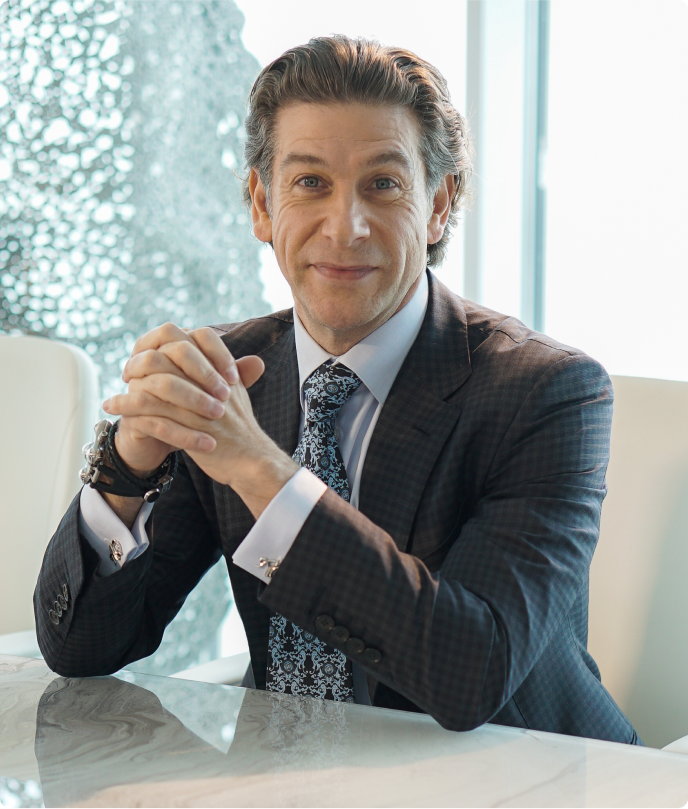
Dr. Adel Quttanah is an exceptionally qualified Western-trained plastic and reconstructive surgeon specializing in complex facial rejuvenation, advanced breast aesthetics and whole body contouring procedures. After graduating from specialized surgical training at leading medical centers in Canada, he moved his broad clinical knowledge to the patients in the Middle East.
Dr. Adel Quttanah is a leading expert in advanced cosmetic and reconstructive surgery and is known for his structural, anatomic approach to the face. He was one of the first in the area to create total integrated aesthetic setups that maintain absolute facial harmony while delivering long-term, natural, and beautiful looks to more complex facial rejuvenation treatments like deep plane facelifts.
This article is for informational purposes only and is not a substitute for professional medical advice, diagnosis, or treatment. Always seek the advice of a qualified health provider with any questions you may have regarding a medical condition. Medically reviewed by Dr. Adel Quttainah